

On a Tuesday evening in Chula Vista, California, a 911 call comes in about an armed suspect in a residential neighborhood. Before the first patrol car arrives, a drone is already airborne — thermal camera running, live feed streaming to the watch commander. The suspect is located in seconds. No pursuit. No shots fired.
This is Drone as First Responder in practice, and it is one of the most significant operational shifts in modern American law enforcement.
Why DFR Is Different from Traditional Drone Programs
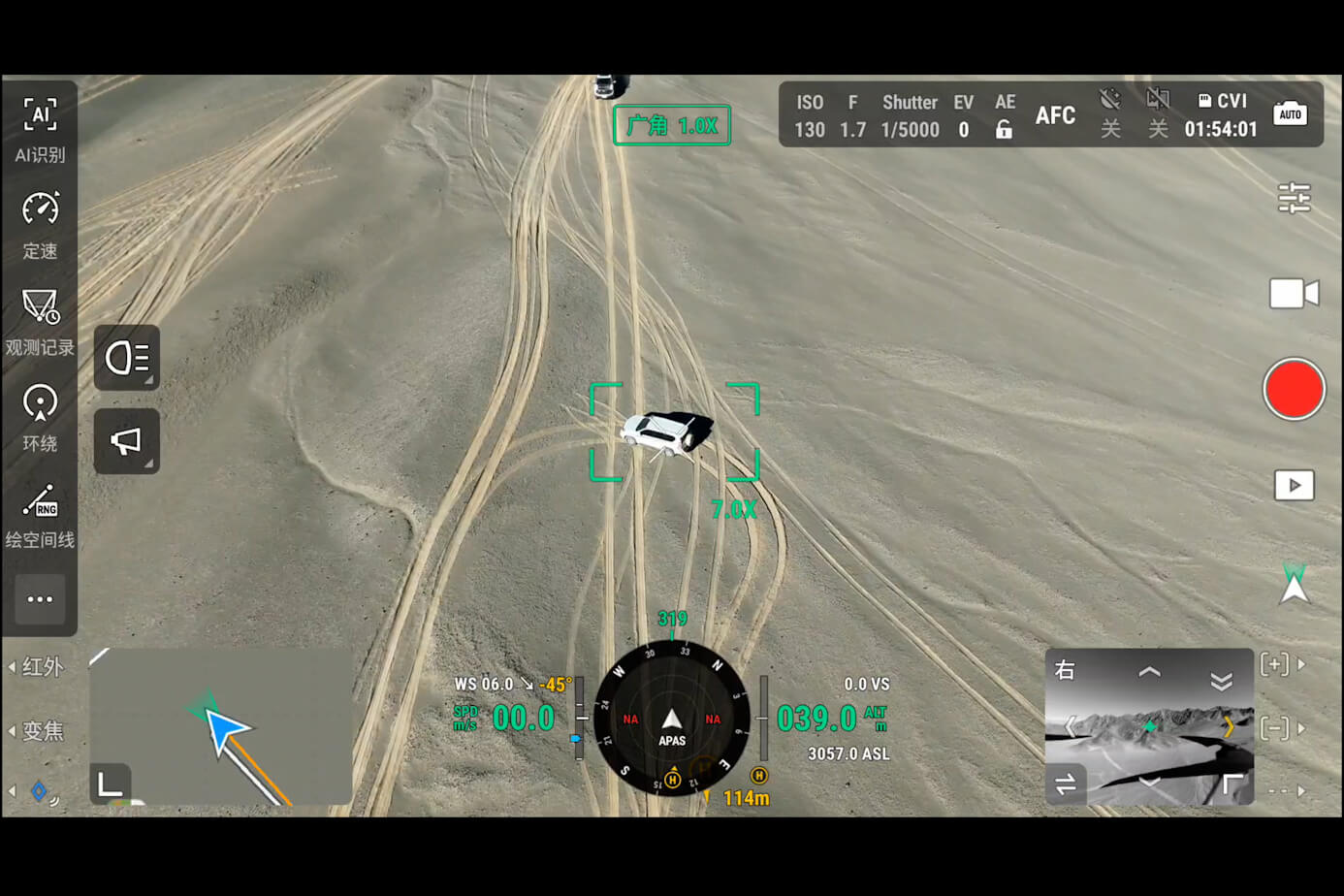
Most police drone programs start as aerial documentation tools — recording crime scenes, crash investigations, and crowd events. DFR is fundamentally different. In a DFR model, the drone is a first responder: it launches before or alongside ground units, streams real-time situational intelligence to commanders, and directly shapes how officers approach an incident.
The distinction matters operationally. A drone used for crime scene documentation does not prevent a foot pursuit. A DFR drone does.
The data from departments that have operated DFR programs for more than two years is consistent: significant reductions in vehicle pursuits, officer injuries, and use-of-force incidents. Those are the metrics chiefs care about.
The technology has matured to the point where this is no longer experimental. The FAA has granted blanket authorizations covering routine DFR operations. Thermal cameras can detect body heat at 2,000 meters. Live HD streams reach commanders in real time. The barriers to entry are lower than most departments realize.
The FAA Framework — What You Actually Need
The regulatory picture for DFR is clearer than it was three years ago, but it is not simple. There are two distinct tracks:
Track One — Standard Part 107 Operations
If your DFR flights stay within Part 107 limits — visual line of sight, below 400 feet AGL, during daylight hours — you need only a Remote Pilot Certificate for your drone operators. That's it. Most daytime patrol DFR operations fall into this category.
Track Two — Operations Beyond Part 107
Night operations, flights beyond visual line of sight, and operations over crowds of people require additional authorization. The FAA's BEYOND Program and Regional Drone Test Programs have issued blanket COAs covering these scenarios for law enforcement agencies. Chula Vista PD, the most-cited DFR program in the country, has operated under a blanket COA for years, covering both BVLOS and night operations.
Getting a COA requires working with your FAA Regional Office and typically takes 60-90 days. NOVVX helps agencies prepare the operational safety case that the FAA requires.
One thing many chiefs do not know: A Certificate of Authorization from the FAA does not override state law. Forty-nine states have enacted some form of drone authorization framework affecting law enforcement. Your agency's legal counsel needs to review both federal and state requirements before launch.
What Thermal Actually Changes
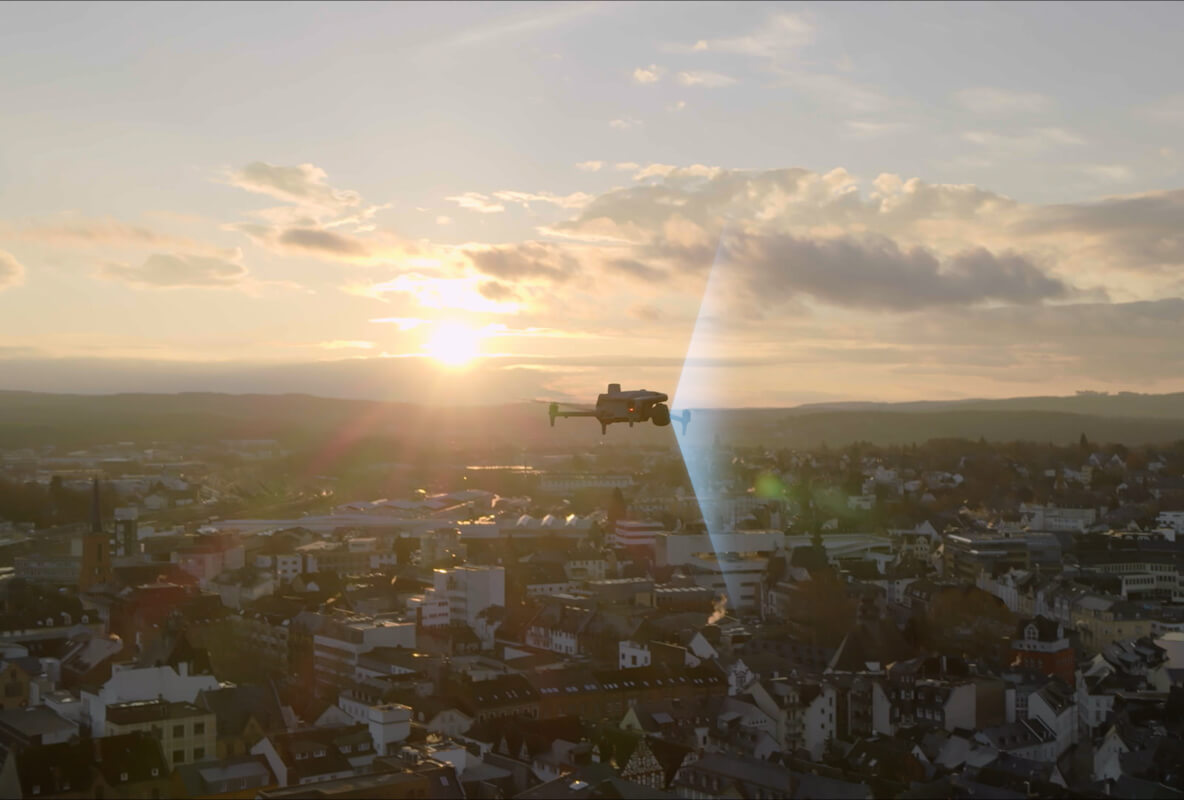
Not all DFR drones are created equal, and the thermal camera is where the operational value diverges sharply from a standard optical drone.
A 640×512 radiometric thermal sensor can locate a human body in total darkness, through light vegetation, and at distances up to 400-600 meters for subject identification. At two in the morning, with a missing person last seen hours ago, that capability is not marginal — it is the entire mission.
The Matrice 4T's thermal sensor also measures absolute temperature, which means officers can distinguish between a human body (roughly 98.6°F surface temperature) and a recently parked car or a warm shed — reducing false positives during critical searches.
The Three Phases Most Successful Departments Follow
Departments that launch DFR programs without a phased approach tend to struggle. The successful programs — Chula Vista, Mesa County (Colorado), and the Delaware State Police — share a common rollout structure:
Phase 1: Establish proof of concept. Start with two to three trained pilots covering high-call-volume areas. Track response times, incident outcomes, and pursuit reductions. This data becomes the justification for Phase 2.
Phase 2: Expand to 24/7 coverage. With outcome data in hand, expand the pilot pool and add shift coverage. Integrate with dispatch — this is where most departments hit friction, as it requires coordination between the drone program and the communications center.
Phase 3: CAD integration and records management. Record drone footage for use in prosecutions and post-incident reviews. Establish policies for data retention and chain of custody. This phase is often what makes the program stick — when the state's attorney's office starts using drone footage in court, eliminating the program becomes politically difficult.
What DFR Does Not Replace
It is worth being direct: DFR drones do not replace patrol officers. A drone cannot detain a person, administer first aid, or physically secure a scene. The DFR drone's job is to give officers better information before they arrive and overhead awareness while they are on scene.
What it does reduce is the number of situations where officers go in blind — the high-risk traffic stop where nobody knows if the driver has a weapon, the pursuit that begins at 40mph and ends at 120mph, the active shooter call where seconds of building perimeter reconnaissance save lives.
The departments that have implemented DFR consistently report one less-obvious benefit: officer morale. Officers who have aerial cover during dangerous calls describe feeling significantly less exposed.
Getting Your DFR Program Started
The practical first steps: identify your department's primary use cases, select a platform that fits those missions, get your Part 107 certified pilots in place, and build the FAA authorization package. NOVVX works directly with law enforcement agencies on all of these steps — including DFR program assessments that help chiefs understand what the data will look like before committing to a procurement.