
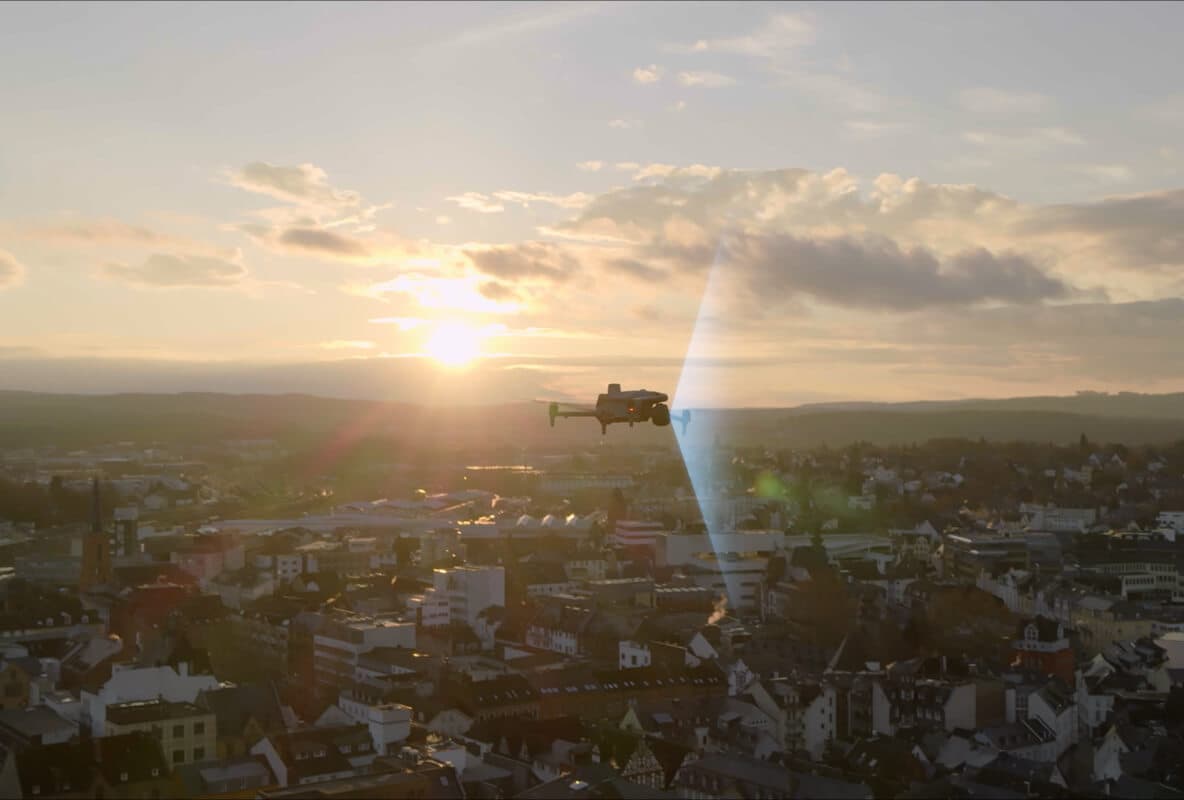
The Mavic 3T and Matrice 4T share the same thermal sensor: a 640×512 radiometric camera that can locate a human body in total darkness at several hundred meters. For a law enforcement officer doing a missing person search at 2 AM, that thermal sensor is the entire mission — and on that specific task, both platforms perform nearly identically.
That is why this comparison attracts so much attention, and why the answer is genuinely not obvious from the spec sheet alone. The Mavic 3T and Matrice 4T are not competing platforms — they serve different operational models. The question is not which is better. The question is which fits how your agency actually works.
The agencies that regret buying the Matrice 4T are ones that bought it for thermal capability they already had with a Mavic 3T. The agencies that regret buying the Mavic 3T are ones that underestimated how much they needed laser rangefinder GPS coordinates and all-weather reliability.
What Both Platforms Share
Before diverging, it is worth being clear about what is the same:
- 640×512 radiometric thermal camera — identical sensor, identical temperature measurement capability
- O4 Enterprise transmission — 1080p live feed up to 12km
- 3-axis mechanical gimbal stabilization
- AI-powered person and vehicle detection in both visible and thermal imagery
- IP53 weather resistance (Mavic 3T) vs. IP54 (Matrice 4T) — close, but not identical
The thermal sensor parity is the starting point. Everything else is where they diverge.
Where the Mavic 3T Wins: Portability and Speed
The Mavic 3T weighs 920g with battery. Folded, it is approximately 22 × 9.6 × 9.3 cm — small enough to fit in a standard patrol bag or briefcase. From bag to flight takes under 60 seconds. That portability is not a convenience feature — it is an operational model.
The DFR single-officer model: In departments where DFR drones are deployed by the first officer on scene rather than a dedicated drone unit, the drone lives in the patrol vehicle. The Mavic 3T deploys from a backpack on a foot pursuit. A Matrice 4T requires a dedicated case and setup time.
High-volume, lower-complexity operations: For departments running 15–25 thermal drone calls per week — welfare checks, collision reconstruction, event overwatch — the Mavic 3T delivers the thermal capability at a price point that fits a standard equipment budget.
Rooftop and building envelope inspection: Residential roofing consultants, insurance adjusters, and small inspection firms often deploy from a service vehicle, cover 8–12 sites per day, and need thermal data in a backpack-sized package. The Mavic 3T is purpose-built for this workflow.
The 45-minute flight time is sufficient for most patrol-level missions. The 2× thermal zoom handles individual building panels and person-sized targets at typical search distances. The IP53 rating handles light rain — the limiting factor is more often wind than precipitation.
Where the Matrice 4T Pulls Ahead: Detail, Distance, and Durability
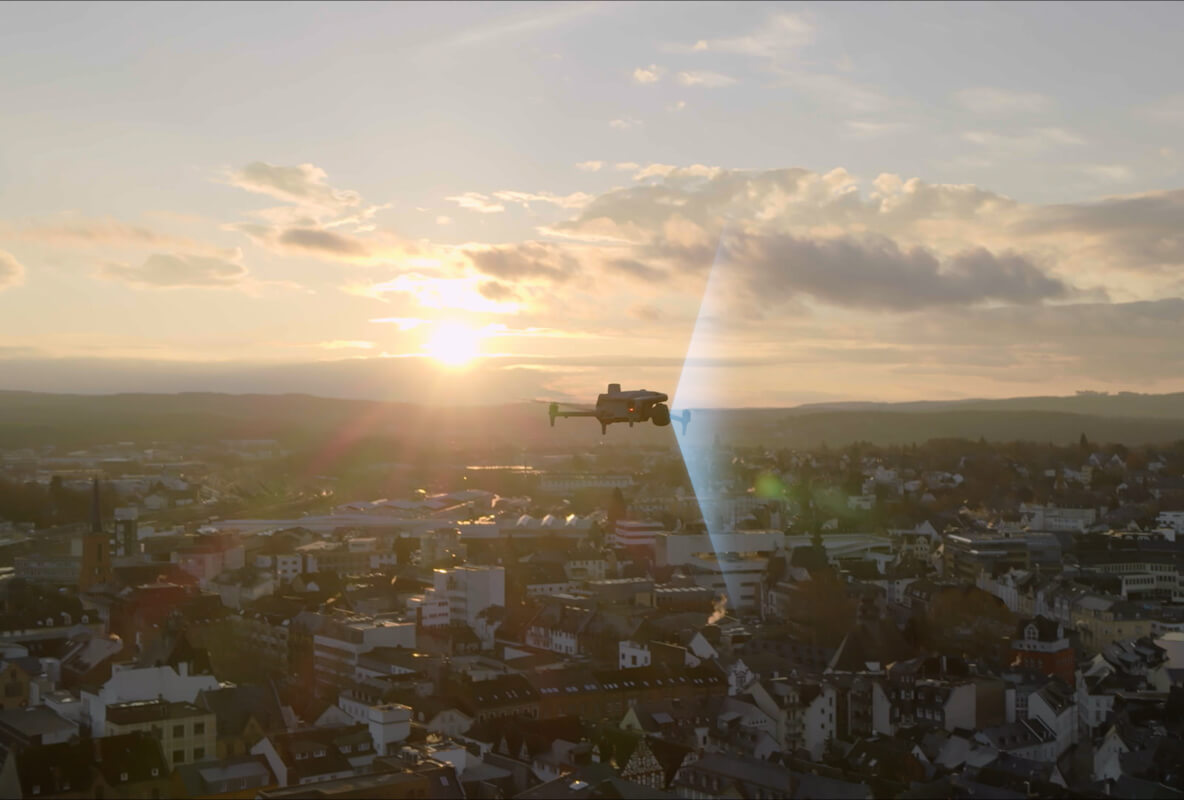
The Matrice 4T's advantages compound in professional and mission-critical contexts:
4× thermal zoom vs. 2×: At 100 meters altitude, the Mavic 3T's 2× thermal zoom shows you multiple transmission tower faces in one frame. The 4T's 4× zoom isolates individual insulators, conductor bundles, and hardware. For regulated utility inspection where the deliverable is a report specifying which component on which pole requires attention, 4× thermal zoom is the difference between a useful survey and a screening survey.
Laser rangefinder: The Matrice 4T's 2,000-meter NIR laser rangefinder outputs precise GPS coordinates for any point the operator targets. This is not a nice-to-have for utility grid inspection — it is how asset management records are built. A thermal hotspot at an unspecified location is found again next year. A thermal hotspot with GPS coordinates is actionable.
IP54 vs. IP53: The IP rating difference is real. IP54 means the Matrice 4T tolerates heavier rain, more dust, and a wider range of adverse conditions. For coastal law enforcement agencies, fire departments working fire perimeters, and utility inspection in variable weather, this is not a marginal spec.
50 minutes vs. 45 minutes: On a large search area or disaster zone, 5 extra minutes per flight reduces battery management overhead meaningfully. With a three-battery rotation, that compounds to significantly more flight time per shift.
Field serviceability: The Matrice 4's modular design accepts field replacement of the gimbal, propellers, battery, and landing gear without sending the aircraft to a service center. The Mavic 3 series, while reliable, requires factory service for most component failures.
The Spec Comparison That Matters
| What Actually Differs | Mavic 3T | Matrice 4T |
|---|---|---|
| Thermal Zoom | 2× | 4× |
| Laser Rangefinder | No | Yes, 2,000m |
| All-Weather Rating | IP53 | IP54 |
| Flight Time | 45 min | 50 min |
| Portability | Folds to backpack size | Requires hard case |
| Field Serviceability | Limited | Full modular replacement |
| Thermal Sensor | 640×512 radiometric | 640×512 radiometric |
| AI Detection | Thermal + Visible | Thermal + Visible |
| Base Price | $5,999 | $7,699 |
How to Actually Decide
Buy the Mavic 3T if your drone program is officer-deployed from a patrol vehicle, your thermal missions are primarily SAR and tactical overwatch, your weather is generally favorable, and your inspection work is smaller-scale.
Buy the Matrice 4T if you run a dedicated drone team, you need GPS-accurate anomaly documentation, you operate in all weather conditions, or your inspection deliverables require individual component identification from altitude.
Buy both if your program spans rapid officer deployment and dedicated drone team operations. This is more common than either extreme. A small department that runs a Mavic 3T in patrol vehicles and a Matrice 4T with a two-person drone team covers every mission profile without compromise.
NOVVVX works with agencies building out mixed-fleet programs, including evaluation of how Mavic 3T units integrate with DJI FlightHub 2 for fleet-wide live view and footage management.