
The American Society of Civil Engineers gives US infrastructure a C grade — and estimates $2.7 trillion in infrastructure investment gaps over the next decade. Bridge inspection is a critical part of addressing that gap, and drone technology is transforming how transportation agencies conduct these inspections safely, efficiently, and more frequently.
The Problem with Traditional Bridge Inspection
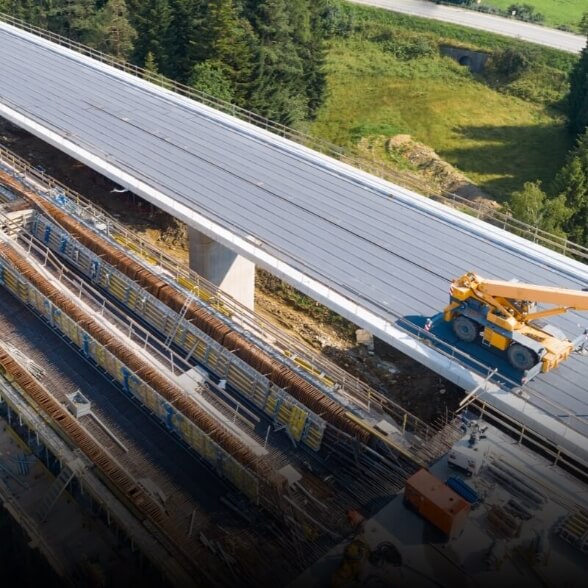
Traditional bridge inspection methods are expensive, dangerous, and disruptive:
- Under-bridge access vehicles (snooper trucks) cost $3,000-8,000 per day and require lane closures
- Rope access inspection requires two-person teams, significant setup time, and significant safety risk
- Scaffolding and under-bridge platforms can cost $50,000-500,000 for complex structures
- Lane closures for inspection create traffic delays and safety risks for inspectors working over active lanes
Drone inspection eliminates most of these costs and risks while improving inspection frequency and data quality.
Best Drones for Bridge Inspection
DJI Matrice 4T with Zoom Camera
The Matrice 4T's optical zoom camera is the primary tool for detailed bridge inspection:
- 56× hybrid zoom — inspect bridge bearings, fasteners, and deck underside from ground level without under-bridge access
- 4K/30fps video — captures movement and deflection in bridge components under load
- Thermal imaging — detects moisture intrusion, delamination, and rebar corrosion from temperature differentials
- 50-minute flight time — sufficient for most standard bridge inspections on a single battery
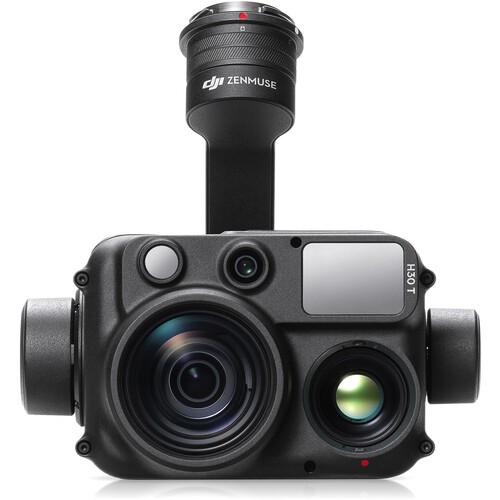
DJI H30T — Enhanced Thermal for Bridge Assessment
The H30T's enhanced thermal sensor provides superior resolution for detecting:
- Concrete delamination (moisture in deck creates thermal signature)
- Water penetration in joints and bearings
- Cathodic protection system failures in steel bridges
FAA Compliance for Bridge Inspection Operations
Bridge inspection drones must comply with:
Part 107 Operations
Standard bridge inspections over non-populated areas can operate under standard Part 107 with a Remote Pilot Certificate. Many state DOTs operate under blanket COAs covering routine bridge inspection missions.
Operations Near Roads
Flying over active roadways requires additional authorization:
- FAA LAANC — automated authorization for low-altitude operations in controlled airspace near airports
- COA for Roadway Operations — most states have COAs covering drone operations over state highway right-of-way
Critical Infrastructure Considerations
Some bridges are designated critical infrastructure. Verify no TFR (Temporary Flight Restriction) applies before inspection flights.
Cost Comparison: Drone vs. Traditional Bridge Inspection
| Inspection Type | Traditional Cost | Drone Cost | Savings |
|---|---|---|---|
| Routine biennial inspection (standard bridge) | $8,000-15,000 | $1,500-3,000 | 70-80% |
| Under-bridge detailed inspection | $15,000-50,000 | $3,000-8,000 | 80% |
| Emergency post-flood/sedtion inspection | $20,000+ (rushed) | $3,000-5,000 | 85% |
| Annual inspection program (20 bridges) | $160,000-300,000 | $30,000-60,000 | 80% |
For a county or municipal transportation agency managing 50-100 bridges, transitioning to drone inspection saves $100,000-250,000 annually.
Data Outputs from Drone Bridge Inspection
Modern bridge inspection drones produce multiple data products:
- 4K video and photography — visual record of every bridge component, georeferenced and timestamped
- Thermal mosaic maps — thermal image of full bridge deck, queryable for anomaly temperature readings
- 3D point cloud models — photogrammetric reconstruction of bridge structure using DJI Terra or Pix4D
- Inspection report — annotated findings with GPS coordinates, photos, and severity classifications
This data integrates with bridge management software (AASHTOWare BrDR, Bentley OpenBridge) and satisfies NBIS (National Bridge Inspection Standards) documentation requirements.