

Law enforcement agencies across the United States have moved from drone trials to full operational deployment. From small rural departments with a single Mavic 3T to major metropolitan police forces running 24/7 Drone as First Responder programs, aerial drone technology has proven its value across every type of law enforcement operation.
The Case for Police Drones in 2026
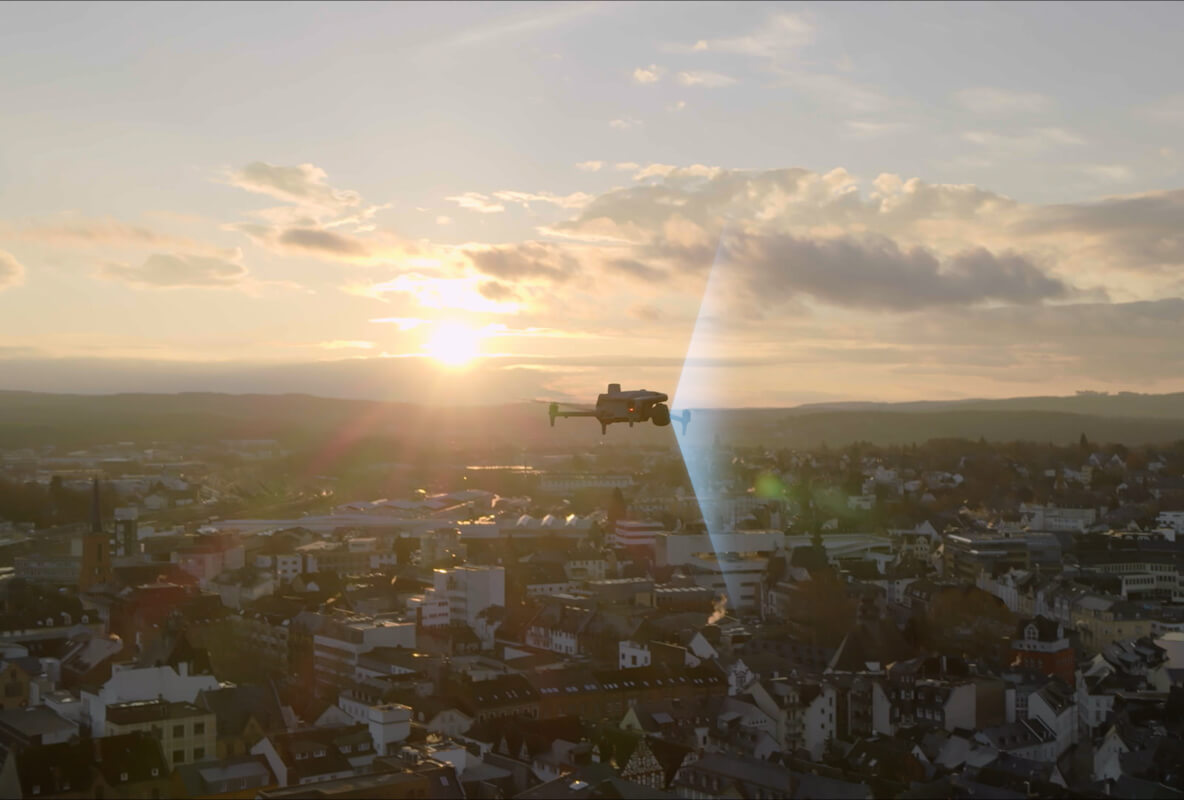
Police departments deploy drones for five primary mission categories:
- Situational awareness — aerial overwatch during traffic stops, SWAT operations, and high-risk encounters
- Search and rescue — thermal-equipped drones for missing persons, including overnight searches
- Traffic and collision reconstruction — precise aerial mapping of collision scenes
- Drone as First Responder (DFR) — drone launch ahead of patrol for priority calls
- Evidence documentation — aerial photography and videography for crime scene and accident documentation
Best Thermal Drones for Law Enforcement
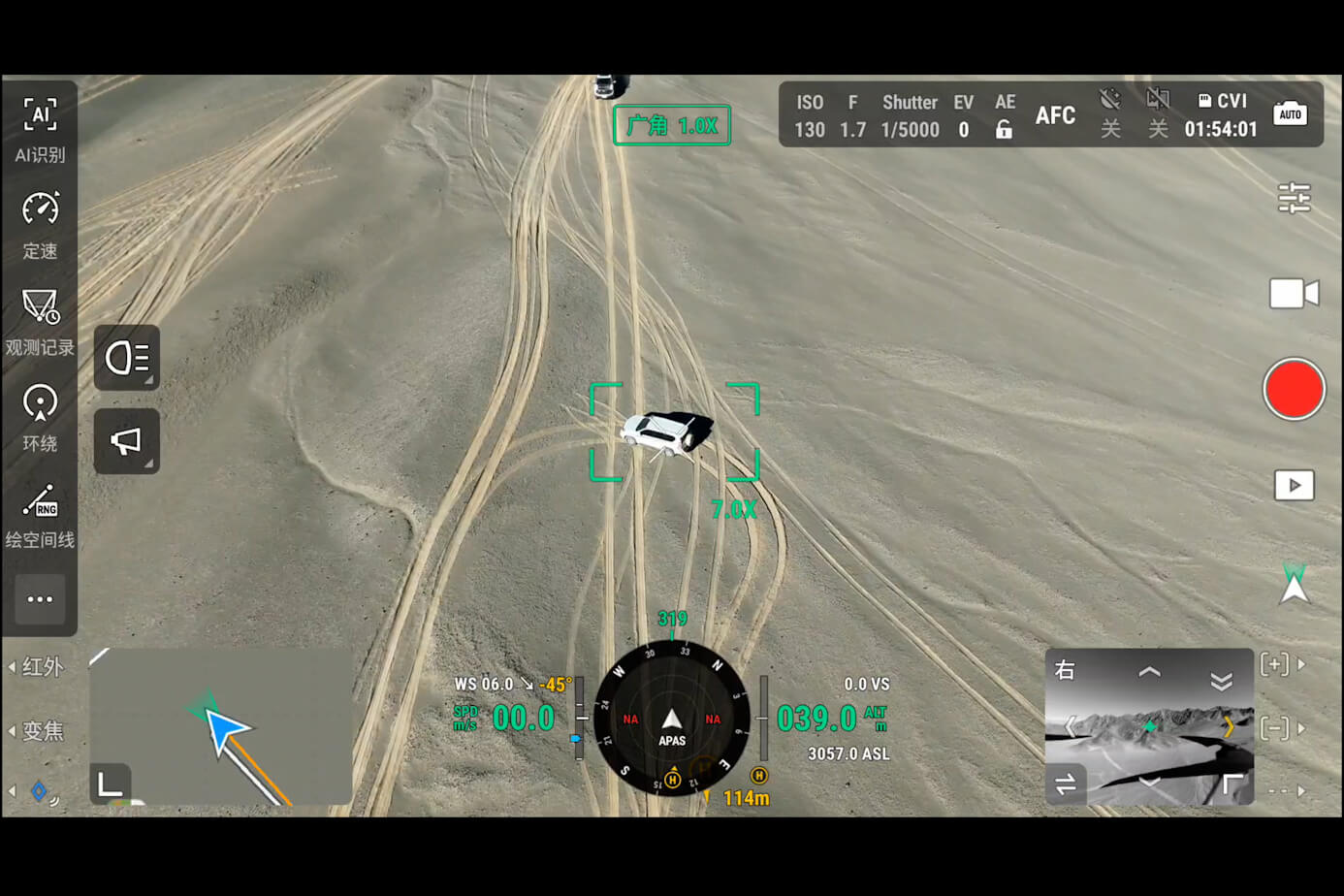
DJI Matrice 4T — Mission-Critical Operations
The Matrice 4T is the standard recommendation for police departments running DFR programs or 24/7 operations:
- 640×512 radiometric thermal — detects body heat signatures at up to 2,000m, enabling officers to locate subjects from a safe perimeter
- 50-minute flight time — covers large search areas without battery swap
- IP54 all-weather — operates in rain, wind, and temperature conditions that ground out officers
- AI object detection — automatically detects and tracks people and vehicles in both visible and thermal imagery
- Laser rangefinder — marks GPS coordinates of subject locations for ground team coordination
DJI Mavic 3T — Patrol and Investigation
The Mavic 3T's portability makes it the preferred choice for patrol officers:
- Fits in standard duty bag
- 45-minute flight time covers most patrol-level search and overwatch missions
- 640×512 thermal for SAR and tactical operations
- Rapid deployment (under 60 seconds from bag to flight)
DJI Mavic 4 Enterprise — New 2026 Model
The latest Mavic 4 Enterprise series introduces enhanced AI tracking and improved thermal sensors. Available through NOVVX for departments ready to upgrade.
FAA Compliance for Law Enforcement Drone Operations
Operating drones as a government law enforcement agency involves specific federal and state requirements:
Federal Framework
- Public Aircraft Operations — State and local law enforcement conducting governmental functions may operate under Public Aircraft rules (14 CFR Part 107 exemptions apply)
- Certificate of Authorization (COA) — Required for operations beyond Part 107 limits. The FAA BEYOND Program has streamlined COAs for routine DFR and patrol operations.
- FAA Remote ID — All drones operated in the NAS must comply with Remote ID requirements (Standard or Declaration of Compliance)
State Laws
49 states have enacted drone laws addressing law enforcement use. Key considerations:
- Recording in public spaces: Generally permitted
- Search and seizure: Follow existing Fourth Amendment frameworks
- Evidence admissibility: Courts have upheld drone-collected evidence in multiple jurisdictions
NOVYX provides FAA compliance consultation for law enforcement agencies including COA application assistance and Remote ID compliance checklists.
Building a Police Drone Program
Most departments follow a phased approach:
Phase 1 — Foundation (Months 1-6)
- Select 2-4 officers for Part 107 certification training
- Procure 1-2 Mavic 3T units for patrol and investigation use
- Draft department drone policy addressing privacy, evidence handling, and operational protocols
- Register drones with FAA and comply with Remote ID requirements
Phase 2 — Expansion (Months 6-18)
- Expand to 6-10 drone-certified officers
- Add Matrice 4T for DFR or 24/7 standby coverage
- Integrate drone footage with existing body camera and CAD systems
- Establish data management and evidence retention protocols
Phase 3 — Full Program (Year 2+)
- Dedicated drone unit with sergeant oversight
- Formal DFR program with dispatch integration
- Automated flight operations with DJI FlightHub 2
- Mutual aid agreements with neighboring jurisdictions
Grant Funding for Police Drone Programs
Multiple funding sources support law enforcement drone adoption:
- Bureau of Justice Assistance (BJA) Body-Worn Camera Program — covers drone integration costs
- Edward Byrne Memorial Justice Assistance Grant (JAG) — flexible funding for law enforcement equipment
- State and local general funds — most common funding source for initial drone procurement
- DHS/FEMA preparedness grants — applicable for counterterrorism and emergency response drone programs
NOVYX provides grant application documentation support for law enforcement agencies seeking funding for drone programs.