The Problem: Seconds Matter
When a 911 call comes in about an armed suspect or a medical emergency, every second counts. Traditional police response means officers driving from the station or a nearby patrol. For high-priority calls in sprawling suburbs or rural areas, that can mean 8 to 12 minutes before an officer arrives.
Drone-as-First-Responder (DFR) changes that equation entirely. A drone can be airborne within 30 seconds of dispatch, reaching the scene in under 2 minutes. Officers on the ground can then make better-informed tactical decisions before they even arrive.
How DFR Programs Work
A DFR program typically operates from a fixed pad at a police station or fire station. When a qualifying 911 call comes in — armed suspects, building searches, officer down, welfare checks in high-risk areas — the on-duty drone operator launches a pre-assigned unit.
The drone streams live HD video back to the watch commander and responding officers via encrypted DJI FlightHub 2. Ground units get real-time situational awareness: How many suspects? Armed? Location of bystanders? Ingress and egress routes?
Real Numbers from US Agencies
Chula Vista Police Department (California) pioneered the DFR model. Their 2023 data showed:
- Average drone arrival: 90 seconds vs. 7+ minutes for ground units
- Officers diverted from false calls: 35% of deployments
- Officers arriving better prepared: 100% of valid deployments
- Use-of-force incidents in DFR-supported calls: down 22%
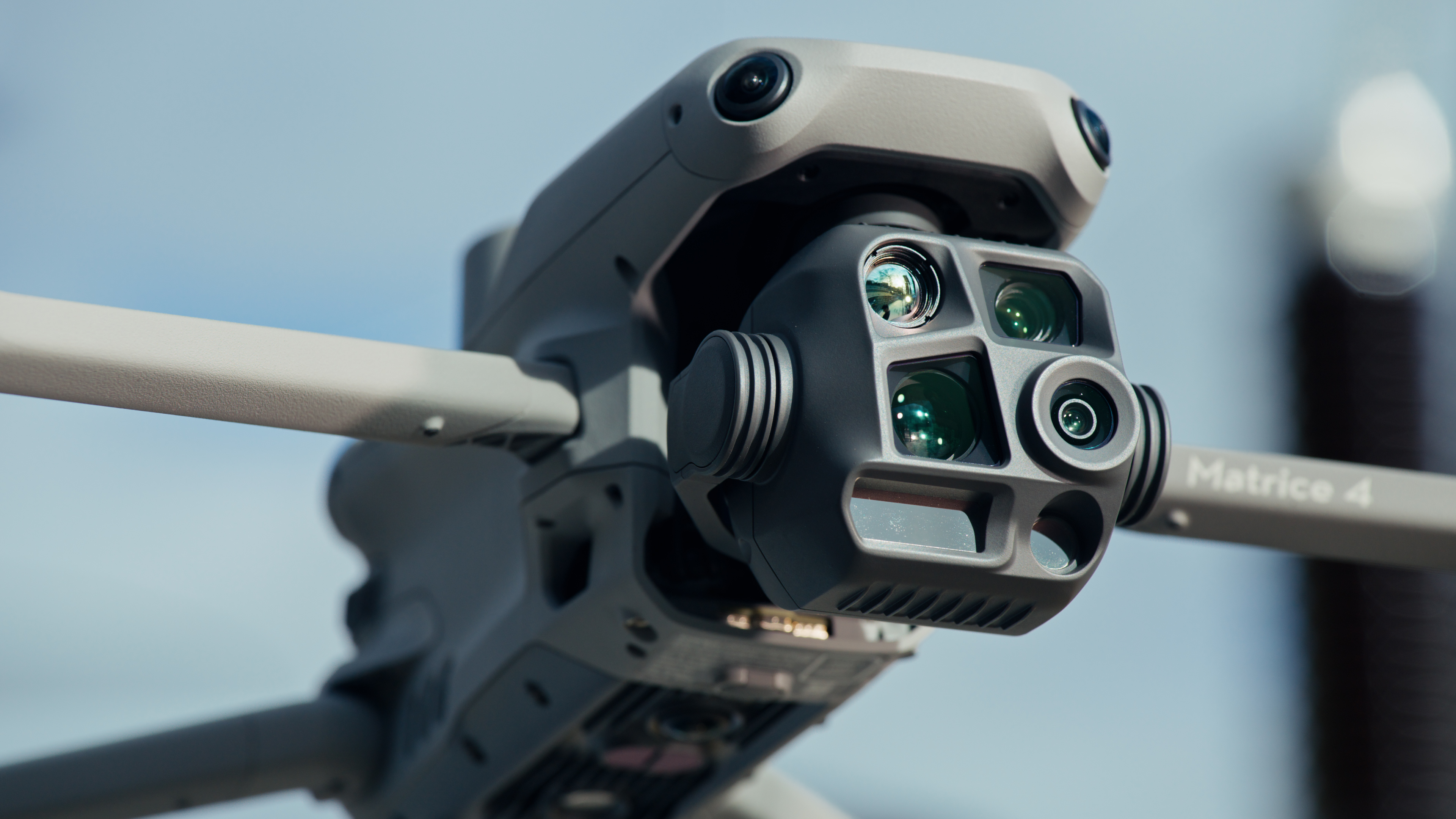
Ventura County Fire Department (which also serves some law enforcement response) has logged similar gains. When they added DJI Matrice 4T drones to their DFR fleet, their wildfire perimeter mapping time dropped from 45 minutes with crewed aircraft to under 8 minutes with drone teams.
Legal and FAA Framework
DFR programs operate under FAA Part 107, with specific waivers for BVLOS (Beyond Visual Line of Sight) operations granted by the FAA's Drone-as-First-Responder Aviation Rulemaking Committee framework. The FAA has approved DFR programs in California, Texas, Florida, and several other states.
What Agencies Need to Get Started
- DJI Matrice 4T or Mavic 3T — thermal + visual for all conditions
- Encrypted telemetry — DJI FlightHub 2 Enterprise with AES-256 encryption
- FAA Part 107 waiver — BVLOS operations require case-by-case approval
- Officer training — typically 40 hours initial, 8 hours annual refresh
- Policy framework — department must establish use-of-force and privacy policies
NOVYX works with agencies to configure the right hardware bundle and connects you with our DFR implementation partners who handle FAA waiver applications and policy drafting.
Cost vs. Benefit
A DJI Matrice 4T DFR package with accessories runs approximately $12,000-15,000. Against the cost of a single police-involved shooting lawsuit ($500K-$3M average settlement), the ROI calculation for DFR programs has convinced even skeptical city councils.
Contact our public safety team to discuss your department's specific mission profile and coverage area requirements.